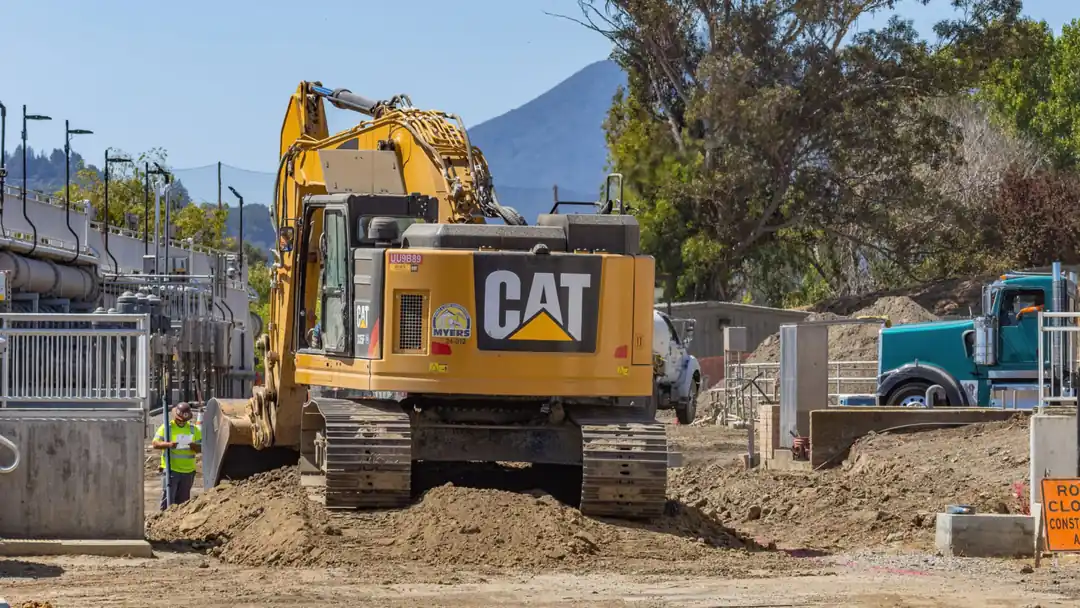
Equipment and Fleet Finance in the UAE: Loans, Leasing and What Lenders Check
How UAE businesses pay for machinery, equipment and vehicles without draining working capital.
A new excavator, a delivery van fleet or a production line is usually too large to pay for from cash flow, and too important to delay. Equipment and fleet finance spreads the cost over the working life of the asset. This guide covers the structures UAE lenders offer, what they check, and where applications tend to stall.
What is equipment finance?
Equipment finance is funding tied to a specific asset: machinery, plant, medical or IT equipment, or company vehicles. The lender pays for the asset, usually directly to the supplier, and your business repays in instalments over an agreed term. Because the asset itself secures the facility, lenders are often more comfortable with it than with an unsecured loan of the same size. Fleet finance is the same idea applied to company vehicles, from a few delivery vans to a logistics fleet, with the vehicles registered under the lender's lien until the facility is repaid.
The main structures, compared
| Structure | How it works | Who owns the asset | Usually suits |
|---|---|---|---|
| Equipment or term loan | The lender funds the purchase; you repay over a fixed term | Your business, with the lender's charge on it until repaid | Long-life assets you intend to keep |
| Hire purchase | You pay instalments and use the asset from day one | The lender, until the final instalment transfers ownership to you | Businesses that want ownership in the end but a simple instalment plan |
| Finance lease or Ijara | You pay rentals for most of the asset's life, often with an option to buy at the end. Ijara is the Sharia-compliant lease used by Islamic banks | The lessor during the lease | Companies preferring rentals, or wanting an Islamic structure |
| Operating lease or rental | You rent the asset for part of its life and hand it back | The lessor throughout | Assets that date quickly, such as IT equipment or vehicles you replace often |
| Sale and leaseback | You sell equipment you already own to a financier and lease it back | The financier, with you keeping use of it | Releasing cash tied up in assets you already paid for |
| Fleet finance | Loans or leases for multiple company vehicles under one facility | Depends on the structure; financed vehicles carry the lender's lien at registration | Logistics, delivery, contracting and service businesses |
Loan or lease: which is better for a UAE business?
A loan or hire purchase makes sense when you want to own the asset for most of its working life and it holds its resale value. A lease makes more sense when you want lower upfront cash, plan to upgrade regularly, or prefer a fixed rental that is easy to budget. The accounting and UAE Corporate Tax treatment of interest and lease payments differ, so ask your accountant which structure fits your books before you sign.
Can you finance used equipment or vehicles in the UAE?
Yes, many lenders will finance used assets, but expect a shorter term and a larger contribution from you than for new equipment. The lender cares about what the asset would sell for if things go wrong, so mainstream vehicles and widely traded machinery are easier to finance than older or highly specialised equipment. A recent independent valuation and a clear service history help.
How much do you need to put down?
Most lenders expect the business to fund part of the price itself. The share depends on three things: how easy the asset is to resell, whether it is new or used, and your company's trading record and existing debt. Treat any figure you hear before an application as indicative only; the offer letter is the number that counts.
What lenders check
- Trading history and cash flow: whether the business can carry the instalments from its existing income
- Existing borrowing: the company's credit report and current facilities
- The asset: supplier, new or used, and realistic resale value
- What the asset is for: a signed contract or order book that the equipment will serve strengthens the case considerably
- Owners' support: personal guarantees from shareholders are common for SMEs
Documents you will usually need
- Trade licence, memorandum and articles of association
- Passports and Emirates IDs of shareholders and signatories
- Recent company bank statements, often six to twelve months
- Audited or management financial statements, where available
- Supplier quotation or proforma invoice for the equipment or vehicles
- VAT registration certificate, if registered
- Copies of contracts or purchase orders the asset will serve, if you have them
Pricing a machine or a fleet right now?
Talk to a Fintrust advisor →How the process works
- Get a formal quotation for the asset from your supplier or dealer.
- Choose the structure: loan, hire purchase, lease or Ijara.
- Shortlist lenders that finance that type of asset for businesses of your size.
- Submit a complete document pack, including the quotation.
- The lender assesses your credit and, for used or specialised assets, arranges a valuation.
- You receive and sign an offer letter, and pay your contribution.
- The lender pays the supplier, and the asset is delivered or registered with the lender's lien.
Why applications stall
- A quotation from a supplier the lender does not recognise, or one missing the asset's specification
- A used or specialised asset with no valuation to support the price
- Too little trading history for the size of the facility
- Instalments that current cash flow cannot comfortably cover
- Missing or out-of-date financial statements
Why work with a consultancy like Fintrust?
Lenders differ widely in which assets they like to finance, how they treat used equipment and how much they ask you to put down. Fintrust matches your asset and your company profile to the lenders most likely to say yes, prepares the document pack before submission, and compares the offers side by side so you can see the real cost of each structure.

About the author
Ajith Prasad is the founder of Fintrust, an independent banking and financial consultancy based in Ajman, UAE, built on 25+ years inside the UAE banking and financial services industry - most recently as Manager of Issuance and Acquiring at Mercury Payment Services LLC, with earlier leadership roles at Standard Chartered, Dunia Finance, Banque Misr, and National Bank of Dubai. Full bio →
Frequently asked questions
Yes, many lenders finance used assets, usually over a shorter term and with a larger contribution from the business than for new equipment. Mainstream vehicles and widely traded machinery are easier to finance than older or specialised equipment, and a recent valuation helps.
Usually yes. Most lenders expect the business to fund part of the price. The share depends on how easy the asset is to resell, whether it is new or used, and the company's trading record and existing debt.
Yes. Islamic banks offer Ijara, a lease in which the bank owns the asset and the business pays rentals, often with ownership transferring at the end of the term.
It is harder, because lenders underwrite on trading history. New companies improve their chances with a larger contribution, owners' personal guarantees, a signed contract the equipment will serve, or a lease rather than a loan.
Buy with a loan or hire purchase when you will keep the asset for most of its working life and it holds its value. Lease when you want lower upfront cash or plan to upgrade regularly. Check the accounting and Corporate Tax treatment with your accountant.
This guide is general information, not a lending offer. Terms, contributions and eligibility vary by lender and change over time; confirm current terms with each lender before deciding.
Related guides:
Financing equipment or a fleet?
Send us the quotation and we'll tell you which lenders and structures fit.